
Common shrew
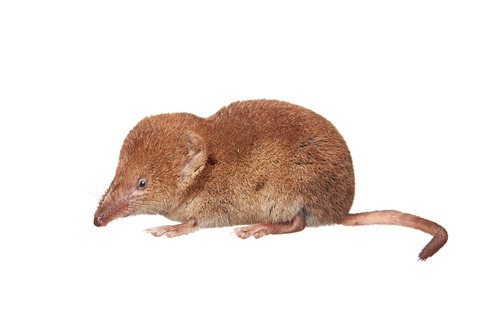
Since starting the study of my garden I have wanted to photograph a shrew with my field studio. Unlike the other mammals in my garden the common shrew is very elusive. I was once fortunate to come across a nest containing a litter of common shrews, but these types of situations are best left undisturbed.
I found this shrew (pictured below) under one the boards that I placed down in the paddock. The image does not show size but I can tell you it was only around 5cm long (body only), so very small.
Its long pointed nose and tiny eyes makes the shrew stand out from other mammals such as voles and mice. Their short life-span means that it is uncommon for them to live for more than 12 months. Their diet consists of mainly insects but they will also eat slugs, snails and earthworms.
The common shrew can be found widespread throughout Britain and comes in at second place in being the most numerous Mammal in Britain.
Common shrew - Sorex araneus
Home Grown Wildlife
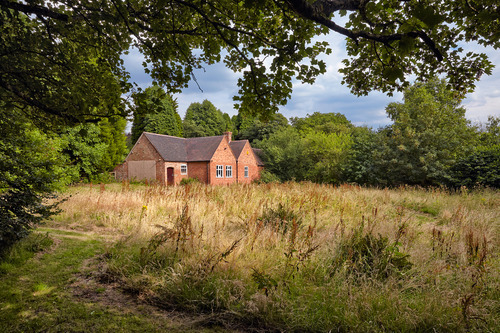
Its amazing how much wildlife you can encourage into your garden just by letting it grow naturally. Up until a few years ago we used to mow this paddock several times a year. Today many would see it as field of weeds but to me its a wildlife haven. I included the barn in the image below, as it is also an important part of the habitat. Lots of insects and spiders benefit from the red brick walls that warm up in the sun throughout the day. Some of my best findings have been discovered around the edge of the building making it an important area of my study.
The area of study: Paddock
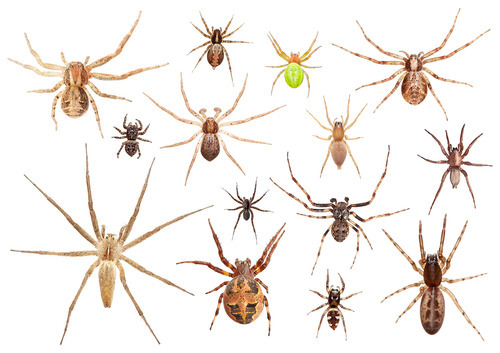
Various species of arachnids living in the paddock
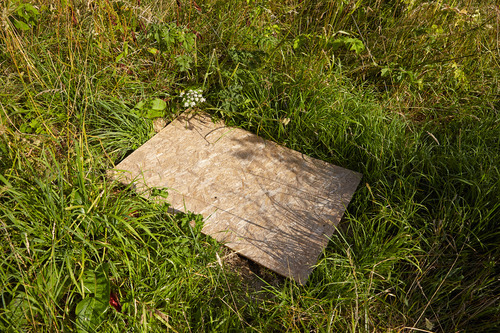
In order to encourage particular wildlife, I laid down six chip board panels amongst the grass. The panels provide a whole host of wildlife with shelter and in some cases a home. The boards warm up nicely in the sun which the snakes particularly benefit from.
A litter of bank voles in a nest under one of the panels
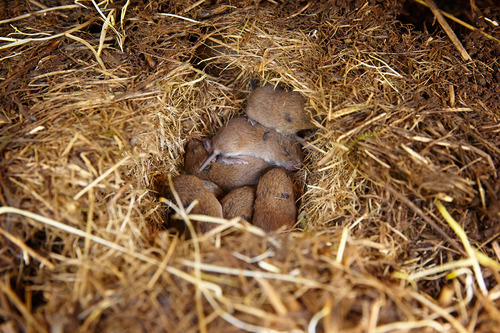
Within a week of putting down the panels, I had mice, voles, shrews and grass snakes living underneath them. Over the course of the summer I have lost count of the number of nesting voles that I have encountered under the boards.
The population of bank voles in the paddock is booming. Everywhere I look I find new nests. If you just sit and listen your can hear squeaking and rustling coming from within the long grass.
Amazingly, bank voles become sexually mature at just five weeks old. Female bank voles can produce up to four or five litters a year which explains the numbers found within my paddock.
I have been documenting the bank voles with the aid of my field studio to create ‘Meet Your Neighbours’ style images.
The setup

The results
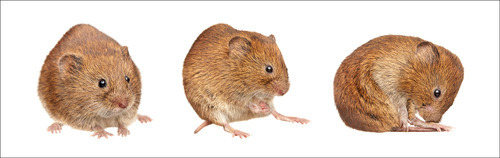
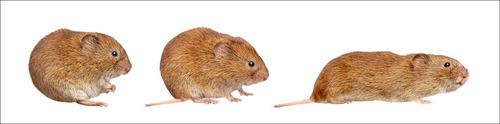
To be continued…
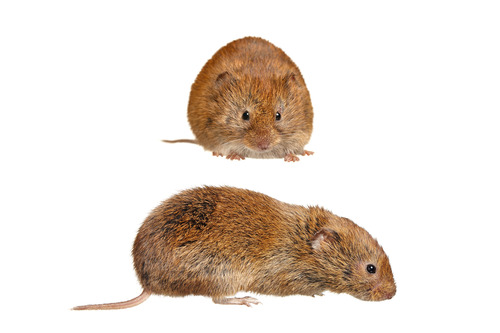
Some recent additions to the Meet Your Neighbours project
Bank vole
Grass snake
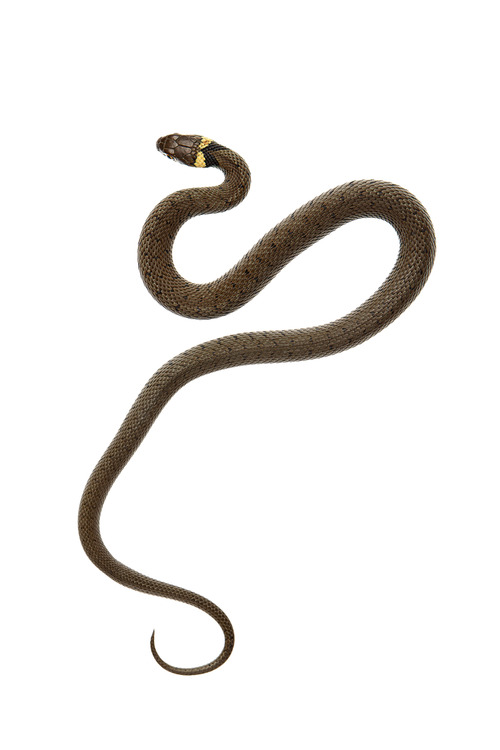
High resolution images can be viewed with the following link:-
Life On White - Part Two
___________________________________________________________
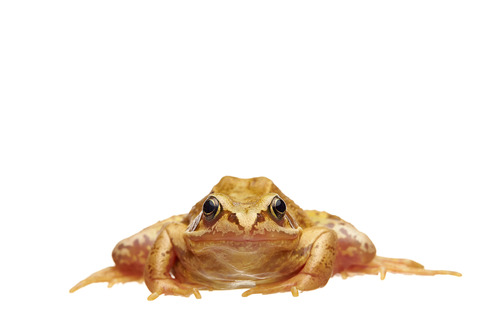
Common frog
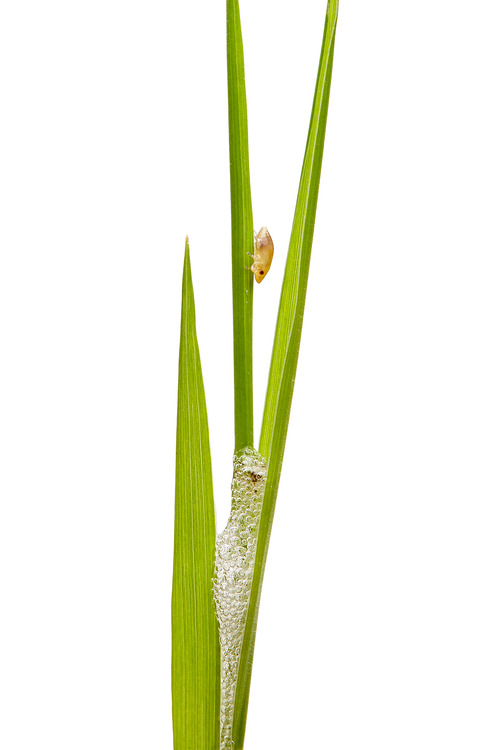
Froghopper nymph
Empis tessellate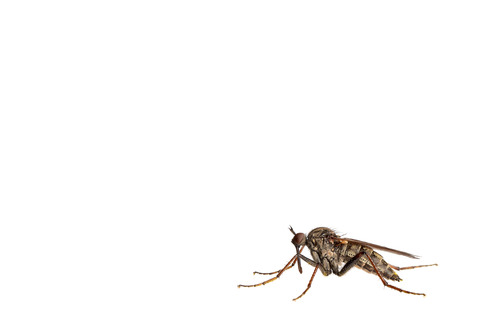
Crane fly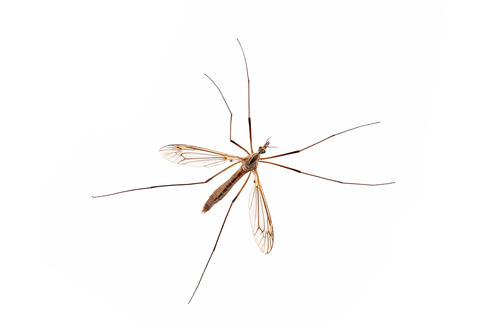
Dung fly with prey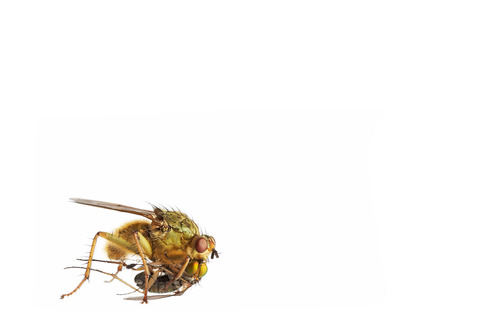
High resolution images can be viewed with the following link:-